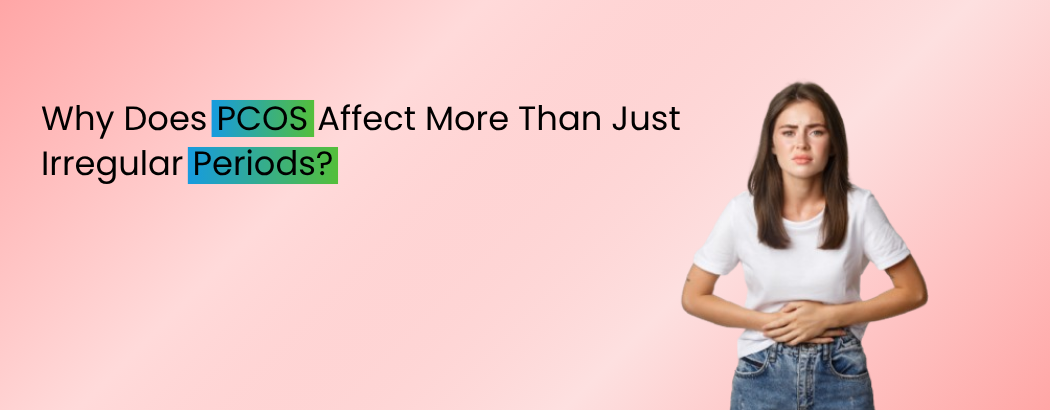
Why Does PCOS Affect More Than Just Irregular Periods?
When Polycystic Ovary Syndrome (PCOS) is discussed in mainstream media, the conversation almost invariably centers on the reproductive system. It is framed as a period problem—a diagnosis received because a cycle is missing, irregular, or painful. While these menstrual irregularities are the most visible clinical indicators, they are merely the tip of the iceberg.
To view PCOS solely through the lens of fertility or menstruation is to fundamentally misunderstand the condition. In reality, PCOS is a complex, systemic endocrine and metabolic disorder. It influences how your body processes insulin, how it regulates systemic inflammation, and even how it manages hair growth and skin health. When you have PCOS, your body is effectively operating on a different metabolic baseline, which is why the symptoms can feel so pervasive, touching almost every aspect of your daily physical experience.
The Metabolic Engine: The Hidden Link to Insulin
The cornerstone of understanding PCOS lies in recognizing its relationship with insulin. For a significant majority of women with PCOS, the body exhibits varying degrees of insulin resistance.
Normally, insulin acts as a key, unlocking your cells to allow glucose (sugar) from your bloodstream to enter and provide energy. In PCOS, that key becomes sticky or resistant. Your pancreas tries to compensate by pumping out more insulin. High circulating levels of insulin (hyperinsulinemia) then trigger the ovaries to produce an excess of androgens—male-type hormones like testosterone.
This is the PCOS Paradox. Even if your blood sugar levels appear normal in a standard test, your body may be working overtime to maintain that balance, leading to:
-
Persistent Weight Gain: Specifically around the midsection, as high insulin levels signal the body to store fat rather than burn it.
-
Chronic Fatigue: Because your cells are not efficiently receiving the glucose they need for energy, you may experience "brain fog" or mid-afternoon energy crashes, despite eating a balanced diet.
The Androgen Effect: More Than Just Hair Growth
Androgens are necessary for all women, but in PCOS, the androgen-dominant environment creates a cascade of aesthetic and physical changes that go far beyond irregular periods.
1. The Skin and Follicle Narrative
High androgen levels stimulate the sebaceous glands, leading to persistent, often cystic acne that does not respond to standard over-the-counter washes. Similarly, androgens affect the hair follicles. On the scalp, they may cause miniaturization and thinning (female pattern hair loss), while simultaneously triggering coarse, terminal hair growth on the face or body. This is a biological contradiction that makes managing one’s appearance feel like a constant, uphill battle.
2. The Inflammation Factor
PCOS is a state of low-grade, chronic systemic inflammation. This is why many women with the condition report joint pain, skin sensitivities, and a generally "heavy" or "inflamed" feeling in their bodies. This inflammation is not just a symptom; it is an active driver of the hormonal imbalance, creating a feedback loop that makes it difficult to manage symptoms through lifestyle changes alone.
Clinical Design Tip: Addressing structural and aesthetic insecurities requires moving beyond the "masking" phase and into the restoration phase. Explore how clinical precision can rectify the false narratives of your physical appearance: Can Loose Skin After Weight Loss Be Fixed Without Major Surgery?
The Fallacy of the Lifestyle Cure
There is a pervasive and often damaging narrative that PCOS is simply a result of lifestyle choices. When a patient is told, Just lose weight and your periods will return, it ignores the biological complexity of the syndrome.
Weight loss is, indeed, a helpful tool for managing insulin resistance, but for someone with PCOS, the metabolic engine is already working against them. Striving for traditional weight loss while ignoring the underlying endocrine dysfunction is like trying to drive a car with a misaligned engine; you are pushing the gas pedal, but the car is struggling to move forward.
True management requires a clinical approach that addresses the hormonal axis directly. This means looking at:
-
Insulin Sensitivity Protocols: Utilizing targeted therapies to help your body use insulin correctly again.
-
Hormonal Balancing: Regulating the androgen output so that skin, hair, and energy levels begin to stabilize.
-
Systemic Inflammation Control: Reducing the internal stress on your body to break the cycle of symptoms.
Reclaiming Your Baseline
Living with PCOS often means feeling like your body is a stranger. You might follow the same diet and exercise routine as others, yet see vastly different results. This is not a failure of discipline; it is a reality of your biology.
The goal of clinical intervention at Minnerva Clinic is not just to "fix" your cycle, but to help you move back to your true physiological baseline. We focus on:
-
Precision Diagnostics: Moving beyond standard blood tests to see how your specific hormonal markers are interacting.
-
Integrated Care: Combining medical management with metabolic support to address the insulin, androgen, and inflammatory pillars simultaneously.
-
Long-Term Strategy: Creating a sustainable plan that accounts for your body’s unique responses, rather than relying on generic, ineffective "one-size-fits-all" advice.
You do not have to settle for the symptoms you have been told are "normal" for PCOS. By treating the condition as the complex, systemic issue it is, you can reclaim your energy, your skin, and your confidence.
🔴 REQUEST A SPECIALIZED PCOS CONSULTATION
Are you tired of managing PCOS symptoms in isolation? It is time for a clinical approach that looks at your full metabolic picture. Connect with our team for a comprehensive, confidential assessment.
-
Direct Hotline / WhatsApp: +91 7080213331
-
Our Premium Clinic Location: Minnerva Clinic, Lucknow, Uttar Pradesh
-
Learn More About Our Philosophy: Visit Our About Us Page