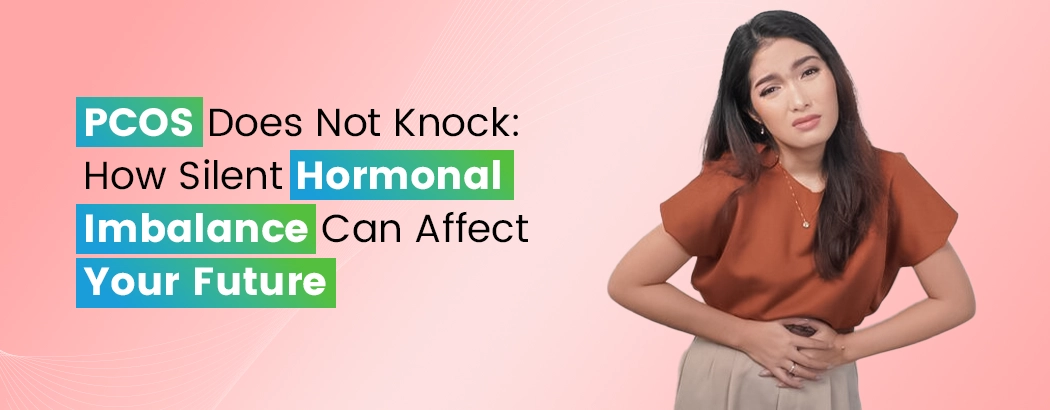
PCOS Does Not Knock: How Silent Hormonal Imbalance Can Affect Your Future
Most health conditions make their presence obvious. They cause pain, discomfort, or visible disruption. You feel that something is wrong, and you seek help.
But some conditions develop quietly. They do not interrupt your routine. They do not stop you from working, socializing, or managing daily responsibilities.
Polycystic Ovary Syndrome, commonly known as PCOS, is one of the most common yet frequently overlooked hormonal conditions affecting women of reproductive age. It can quietly disrupt hormone balance for years while life feels completely normal.
Many women only discover it when they begin planning a pregnancy and face unexpected delays.
Understanding how PCOS works and recognizing its early signals can protect not only fertility but long-term health.
What Is PCOS?
PCOS is a hormonal disorder that affects how the ovaries function. It is typically associated with irregular ovulation, increased androgen levels, and insulin resistance.
Despite its name, the condition does not always involve visible ovarian cysts. Diagnosis is usually based on a combination of symptoms, hormone levels, and menstrual irregularities.
PCOS affects millions of women worldwide, yet a large percentage remain undiagnosed. This is largely because its early signs are subtle and often mistaken for normal hormonal variation.
Why PCOS Often Goes Unnoticed
One of the biggest challenges with PCOS is that symptoms develop gradually. They rarely appear all at once, and they are often mild in the beginning.
You might notice:
-
Slightly irregular or delayed periods
-
Acne that persists beyond teenage years
-
Gradual weight gain, especially around the abdomen
-
Increased facial or body hair
-
Sugar cravings followed by energy crashes
-
Fatigue despite adequate sleep
-
Mood changes or irritability
Each of these signs may seem manageable on its own. Many women attribute them to stress, lifestyle changes, or genetics. However, when multiple symptoms occur together, they may indicate a hormonal imbalance.
Because daily life continues without major disruption, the condition can remain undetected for years.
Early Signs and What They May Indicate
Recognizing patterns instead of isolated symptoms is essential. The following table outlines common early indicators and their possible implications.
|
Symptom |
Possible Cause |
Potential Impact |
|
Irregular periods |
Inconsistent ovulation |
Reduced fertility |
|
Persistent acne |
Elevated androgen levels |
Hormonal imbalance |
|
Weight gain |
Insulin resistance |
Increased metabolic risk |
|
Excess hair growth |
High androgen production |
Ovarian dysfunction |
|
Sugar cravings |
Blood sugar instability |
Risk of diabetes |
|
Chronic fatigue |
Hormonal fluctuation |
Lower overall well-being |
These signs are not random. They often reflect underlying metabolic and hormonal shifts.
What Happens Inside the Body
PCOS frequently involves insulin resistance. This means the body’s cells do not respond effectively to insulin, a hormone responsible for regulating blood sugar levels. As a result, insulin levels rise.
Elevated insulin can stimulate the ovaries to produce excess androgens. Higher androgen levels may interfere with normal ovulation and menstrual regularity.
Over time, this internal imbalance can:
-
Disrupt egg development
-
Reduce ovulation frequency
-
Increase fat storage
-
Trigger intense cravings for carbohydrates and sugar
-
Contribute to long-term metabolic issues
Because these changes occur gradually, many women do not immediately recognize that their hormones are out of balance.
PCOS and Fertility
PCOS is one of the leading causes of ovulatory infertility. When ovulation is irregular or absent, predicting fertile windows becomes difficult. This can significantly reduce the chances of natural conception.
For many women, the first sign of concern arises when pregnancy does not occur as expected. Months pass. Cycles feel unpredictable. Ovulation tracking becomes inconsistent.
However, it is important to understand that PCOS does not mean permanent infertility. Many women with PCOS conceive naturally or with medical support. Early diagnosis improves treatment options and outcomes.
You may consider a fertility evaluation if you experience:
-
Cycles longer than thirty-five days
-
Fewer than eight periods per year
-
Difficulty conceiving after regular attempts
-
Irregular ovulation tracking results
Timely intervention makes a meaningful difference.
Long-Term Health Considerations
PCOS is not only a reproductive condition. It can also impact long-term metabolic health if left unmanaged.
Potential risks include:
-
Type 2 diabetes
-
High cholesterol
-
Elevated blood pressure
-
Cardiovascular disease
-
Endometrial complications due to irregular cycles
These risks develop gradually, which is why early awareness is crucial. Managing PCOS early can reduce future complications.
How to Manage PCOS Effectively
Although there is no single cure for PCOS, it is highly manageable with consistent care.
Lifestyle Strategies
-
Follow a balanced diet focused on whole foods
-
Include adequate protein and fiber to stabilize blood sugar
-
Engage in regular physical activity to improve insulin sensitivity
-
Maintain a consistent sleep schedule
-
Manage stress through relaxation techniques
Even modest lifestyle adjustments can improve hormone regulation and ovulation patterns.
Medical Support
-
Hormonal therapy to regulate cycles
-
Ovulation induction medications when trying to conceive
-
Insulin-sensitizing medications when appropriate
-
Regular metabolic and hormone monitoring
Treatment plans should be individualized based on symptoms and reproductive goals.
Ongoing Awareness
-
Track menstrual cycles consistently
-
Monitor changes in weight and energy levels
-
Schedule regular health checkups
-
Seek professional advice if symptoms worsen
Proactive care prevents reactive treatment.
When Should You Consult a Healthcare Provider?
You should consider a medical evaluation if you notice persistent cycle irregularities, unexplained weight changes, or fertility challenges. Early testing may include hormone panels, blood sugar assessments, and ultrasound imaging.
Even if pregnancy is not a current goal, understanding your hormonal health provides clarity and peace of mind.
Conclusion
PCOS does not knock loudly. It does not demand immediate attention. It often develops quietly, shifting hormone balance while life feels stable and predictable.
But quiet conditions can still have powerful effects.
Recognizing subtle changes in your cycle, metabolism, and energy levels allows you to take control before complications arise. With timely diagnosis, lifestyle support, and medical guidance, PCOS can be effectively managed.
Your health does not need to feel urgent to deserve attention.
Listening early can protect your fertility, safeguard your metabolism, and support long-term wellbeing.