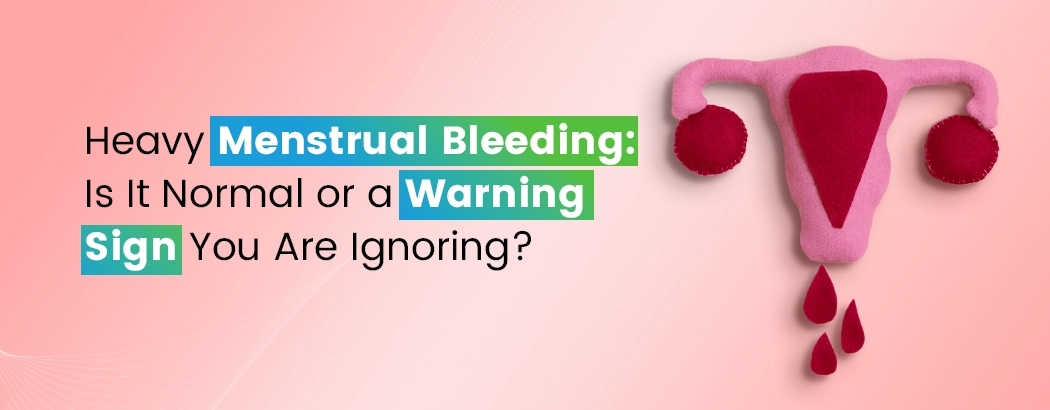
Heavy Menstrual Bleeding: Is It Normal or a Warning Sign You Are Ignoring?
Introduction
Many women silently suffer during their periods. They change pads frequently, feel extreme weakness, cancel plans, and assume this is just how their body works. But is heavy menstrual bleeding really normal, or is it a warning sign your body is trying to give you?
This question creates fear and confusion because periods are considered a routine part of life, and many women hesitate to talk about them. They normalize excessive bleeding, severe cramps, and exhaustion. The real danger begins when abnormal symptoms are ignored for months or even years.
Heavy menstrual bleeding can affect your energy, confidence, relationships, and overall health. In some cases, it may signal an underlying medical condition that needs attention.
Understanding the difference between normal and abnormal bleeding is the first step toward protecting your health.
What Is Considered Heavy Menstrual Bleeding?
Medically, heavy menstrual bleeding is defined as excessive blood loss during periods that interferes with daily life.
You may be experiencing heavy bleeding if you:
Change pads or tampons every one to two hours
Pass large blood clots
Bleed for more than seven days
Feel extreme fatigue during periods
Experience dizziness or shortness of breath
Many women think heavy bleeding is normal because it has always been that way. But just because it has been happening for years does not mean it is healthy.
Normal Period vs Heavy Menstrual Bleeding
The table below helps you understand the difference clearly.
|
Factor |
Normal Period |
Heavy Menstrual Bleeding |
|
Duration |
3 to 7 days |
More than 7 days |
|
Pad usage |
Change every 3 to 4 hours |
Change every 1 to 2 hours |
|
Clot size |
Small clots occasionally |
Large frequent clots |
|
Energy level |
Mild tiredness |
Severe fatigue and weakness |
|
Daily activity |
Mostly manageable |
Interferes with routine life |
If your symptoms match the heavy bleeding column, your body may be signaling something important.
Why Do Women Ignore Heavy Bleeding?
There are emotional and social reasons behind this silence.
Some common thoughts include:
This is normal in my family
Periods are always painful
It will improve after marriage or childbirth
I am just weak
I do not have time to visit a doctor
Fear of diagnosis also plays a role. Many women worry about hearing something serious. But delaying consultation often makes treatment more complicated later.
Possible Causes of Heavy Menstrual Bleeding
Heavy bleeding is not a disease itself. It is often a symptom of an underlying issue.
Common causes include:
Hormonal imbalance
Uterine fibroids
Polycystic ovary syndrome
Thyroid disorders
Endometrial abnormalities
Blood clotting disorders
Each cause requires proper diagnosis. Self-medication or ignoring symptoms can delay appropriate treatment.
The Hidden Risk: Anemia
One of the biggest dangers of heavy menstrual bleeding is anemia.
When you lose excessive blood every month, your iron levels drop. This leads to:
Extreme fatigue
Hair fall
Pale skin
Breathlessness
Difficulty concentrating
Many women blame stress or workload for their weakness. But chronic blood loss can silently damage your overall health.
When Should You Be Concerned?
You should seek medical consultation if you notice:
Bleeding that soaks through a pad every hour
Periods lasting longer than a week
Bleeding between periods
Severe pelvic pain
Symptoms of anemia
Ignoring these warning signs can allow underlying conditions to progress.
Early evaluation makes treatment simpler and more effective.
Emotional Impact of Heavy Periods
Heavy menstrual bleeding does not just affect the body. It affects emotions, too.
Women often feel:
Embarrassed about frequent pad changes
Anxious during travel or work
Fearful of staining clothes
Irritated due to constant discomfort
Mentally drained due to weakness
This emotional burden can reduce confidence and affect quality of life.
You deserve to live comfortably, not plan your life around heavy bleeding.
Diagnosis and Medical Evaluation
Proper evaluation usually includes:
Detailed menstrual history
Physical examination
Ultrasound imaging
Blood tests for anemia and hormones
Additional tests if required
Medical assessment helps identify the root cause rather than just treating symptoms.
Treatment Options
Treatment depends on the underlying cause and severity.
Options may include:
Hormonal medications
Iron supplements for anemia
Lifestyle modifications
Minimally invasive procedures
Surgical management in certain cases
Early-stage conditions are usually easier to manage compared to advanced complications.
The Fear of Knowing vs The Risk of Ignoring
Many women delay consultation because they fear what they might hear.
But here is the truth.
Knowing the cause gives you control.
Ignoring the problem gives it control over you.
Heavy menstrual bleeding may be harmless in some cases, but in others, it may indicate fibroids, hormonal imbalance, or other gynecological conditions that require treatment.
The longer you wait, the more it may affect your physical and emotional health.
Prevention and Self Awareness
While not all causes are preventable, awareness makes a difference.
Track your cycle
Monitor pad usage
Note the clot size
Pay attention to energy levels
Do not ignore persistent changes
Your menstrual cycle is a vital health indicator. Sudden changes should never be dismissed.
Final Thoughts
Heavy menstrual bleeding is not something you should silently tolerate. While some variation in flow is normal, excessive bleeding that disrupts your life may be a warning sign.
If you are changing pads every hour, feeling extreme weakness, or experiencing prolonged bleeding, do not assume it is normal. Early diagnosis can prevent complications like severe anemia and improve overall well-being.
Listening to your body is not overreacting. It is self-care.
If you are unsure whether your symptoms are normal or concerning, consult a qualified gynecologist. Your health, comfort, and confidence matter more than temporary hesitation.
Do not ignore the signs your body is giving you.